|
|
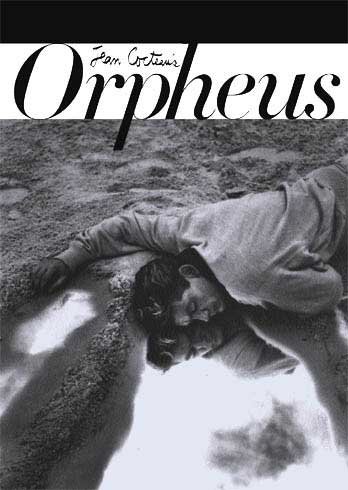
Orphée (also known as Orpheus) is a directed by Jean Cocteau starring Jean Marais. Plot outline Set in contemporary Paris, the movie is a variation of the classic Greek myth of Orpheus. Here, Orphée is a poet who becomes obsessed with Death (the Princess). They fall in love. Orphée's wife, Eurydice, is killed by the Princess' henchmen and Orphée goes after her into the Underworld. Although they have become dangerously entangled, the Princess sends Orphée back out of the Underworld, to carry on his life with Eurydice. Orphée shows Cocteau's taste for enchantment; he uses very simple special effects and trick shots to show his characters passing into the world of death and back to life: by stepping through mirrors or simply by running the film backward. Cocteau added many elements from the culture of his time. For example, the messengers of the Princess of Death are grim, leather-clad motorcyclists. The underworld was represented by buildings in France which were still in ruins after WWII, and Orphée's trial in the underworld was presented as though it were an inquest held by officials of the German occupation attempting to discover members of the French resistance. Most notably, the element of the myth in which Orpheus looks back at Eurydice as she is being led out of the underworld, exactly what he was told not to do and which causes him to lose her, is represented by Orphée happening to glance at Eurydice in the rear-view mirror of a car. This movie is the main part of Jean Cocteau's Orphic Trilogy consisting of The Blood of a Poet (1930), Orpheus (1949) and Testament of Orpheus (1959). The trilogy has been released as a DVD boxed set by The Criterion Collection. Directed by Jean Cocteau Starring Jean Marais Music by Georges Auric
Retrieved from "http://en.wikipedia.org" Films about Ancient Greece: History and Mythology related Movies
|
|
||||||||||||||